

Hear from Our Customers
You’re not imagining that musty smell in the basement. You’re not overreacting when you see dark spots near the bathroom ceiling. And you’re definitely not wrong to wonder if that persistent cough is connected to something in your home.
Mold testing tells you exactly what you’re dealing with. We use moisture meters, infrared cameras, and air quality equipment to check areas you can see and places you can’t—behind walls, under floors, inside HVAC systems. Then we send samples to a certified lab that identifies the species and concentration levels.
What you get is a clear report. Not a sales pitch. Not a worst-case scenario designed to scare you. Just the facts about what’s in your air, where it’s growing, and what it means for your family’s health and your home’s value.
If there’s a problem, you’ll know the scope before anyone starts tearing into walls. If there isn’t, you’ll have documentation proving your home is clean. Either way, you’re making decisions based on real data instead of suspicion or fear.
Most homes in Appletree Hill were built between the 1940s and 1960s. That means wood framing, paper-faced drywall, and construction methods that weren’t designed for the humidity levels we see during Pennsylvania summers.
We’ve been testing and remediating mold in Bucks County long enough to know where problems hide in older homes. Crawl spaces with poor ventilation. Basements with foundation cracks. Attics with inadequate insulation. We’re not guessing where to look—we know.
Our team is certified, our equipment is calibrated, and our lab results are EPA-compliant. We offer free inspections because we’d rather give you an honest assessment than sell you services you don’t need. If testing shows contamination, we’ll walk you through what happens next. If it doesn’t, you’ll have proof your home is safe.
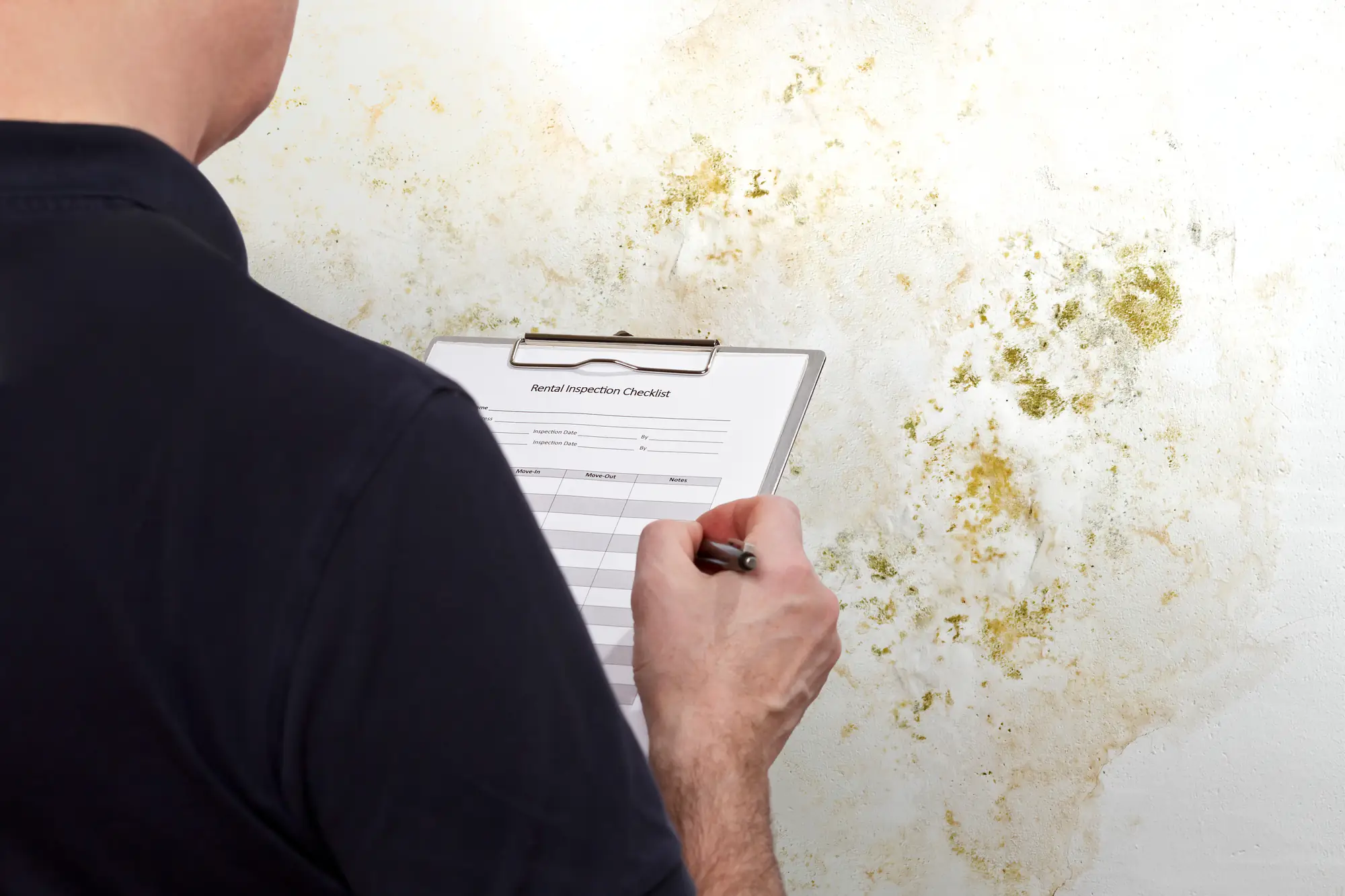
We start with a visual inspection of your entire property. That includes basements, bathrooms, kitchens, attics, crawl spaces, and any area where you’ve noticed discoloration, water damage, or odors. We’re looking for active growth, moisture intrusion, and conditions that support mold development.
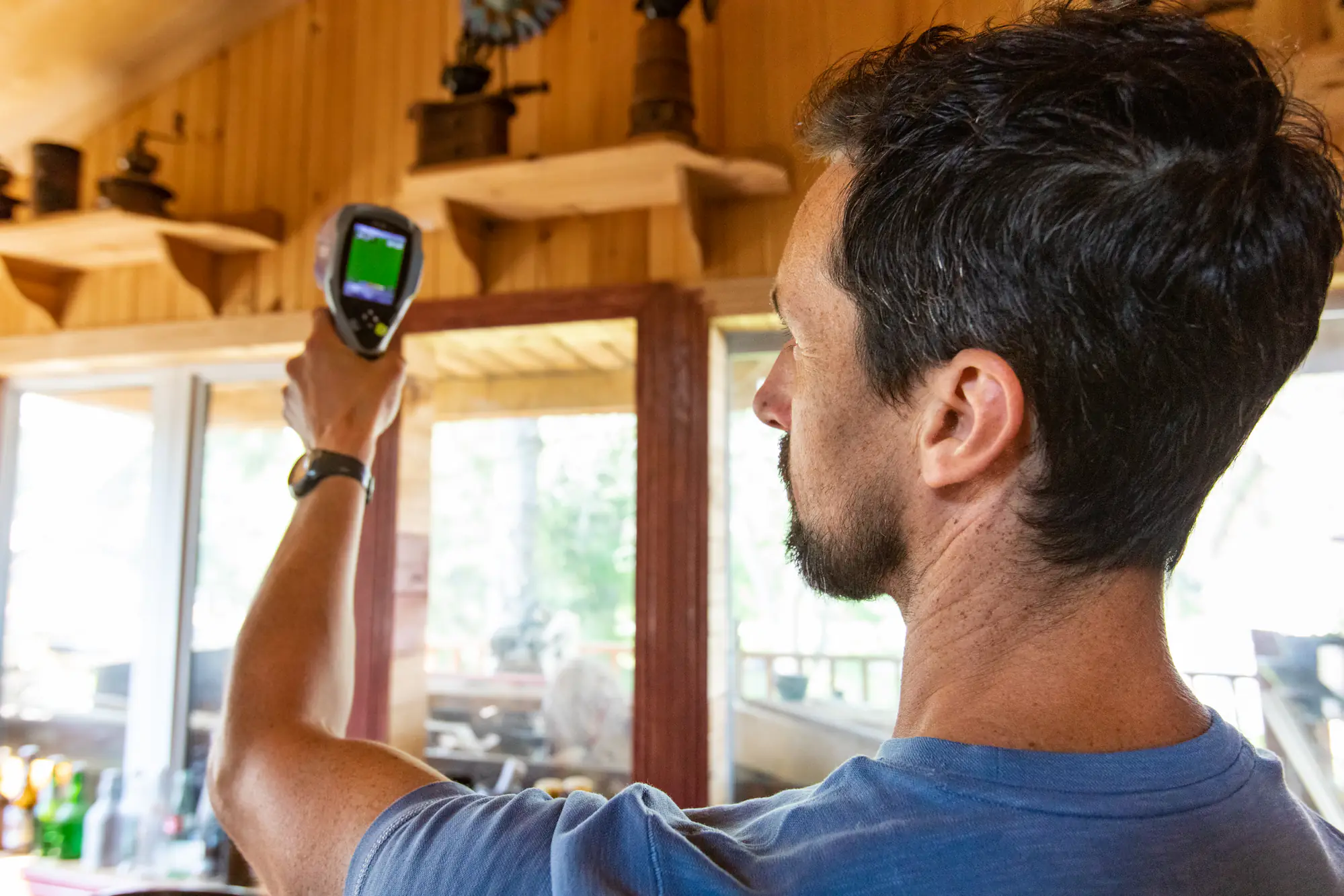
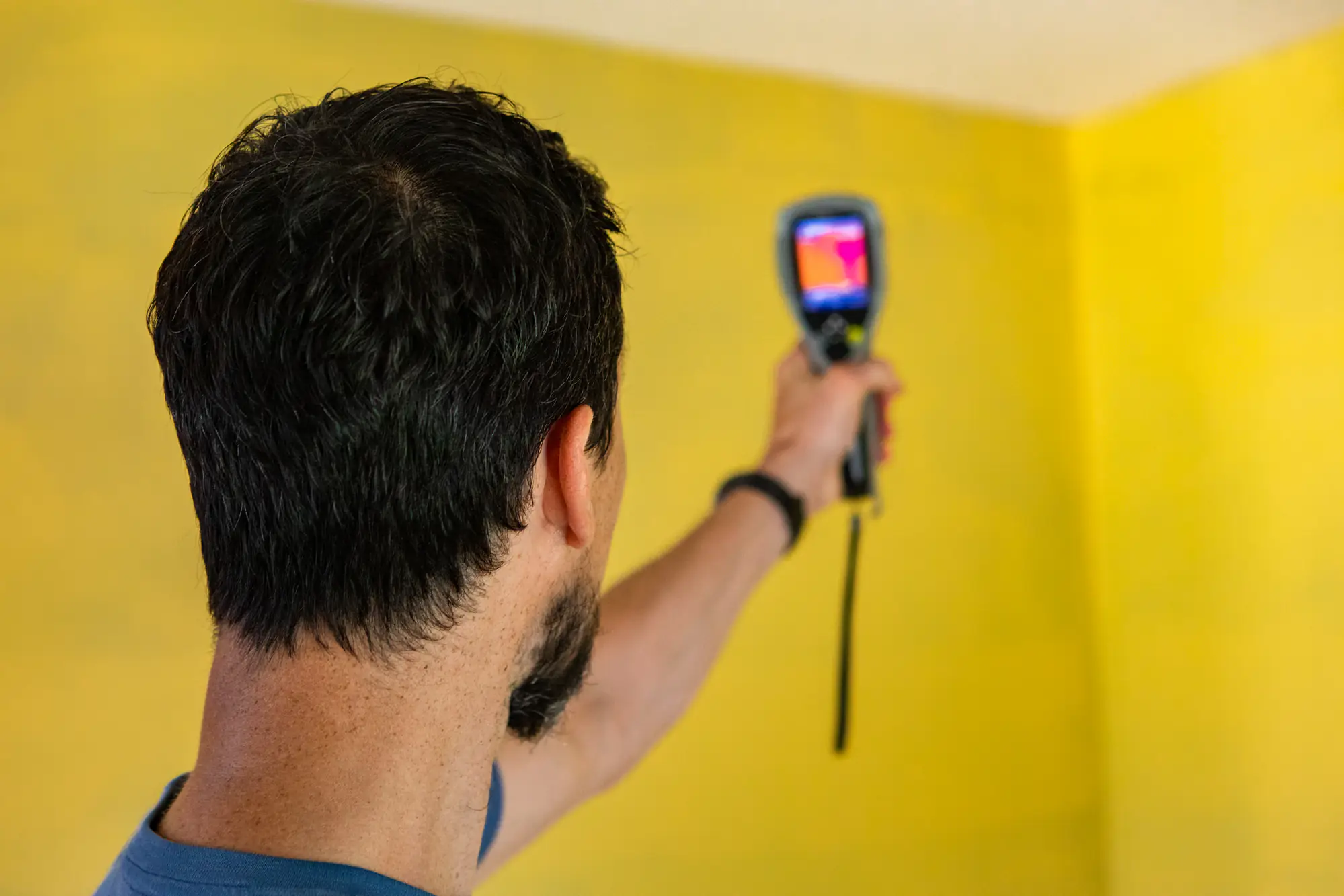
Next, we use moisture meters to measure humidity levels in walls, floors, and ceilings. High readings tell us where water is accumulating even if there’s no visible mold yet. Infrared cameras help us see temperature differences that indicate hidden leaks or poor insulation—both of which create environments where mold thrives.
Then we collect samples. Air testing captures spores circulating through your home. Surface sampling takes material from suspected growth areas. We send everything to an accredited lab that identifies species, measures concentration, and compares your indoor levels to outdoor baselines.
You’ll receive a detailed report within a few days. It explains what was found, where it was found, and whether levels are normal or elevated. If remediation is needed, we’ll outline the scope of work and give you a clear estimate. If your home tests clean, you’ll have documentation for insurance, buyers, or your own peace of mind.
Ready to get started?
A professional mold inspection covers more than a quick look around. You get a full property assessment using advanced detection equipment—not just a visual check. We measure indoor humidity, scan for hidden moisture, and test air quality in multiple rooms to understand how spores are moving through your home.
Air sampling is critical because mold doesn’t always grow where you can see it. Spores travel through ducts, settle in carpets, and circulate every time your HVAC system runs. We place air pumps in key areas to capture what’s actually in the air you’re breathing. Surface samples confirm species when we find visible growth or suspect contamination behind materials.
Lab analysis is what separates professional testing from DIY kits. Our samples go to certified labs that use microscopy and culture techniques to identify exact species—including black mold, which produces mycotoxins linked to serious health issues. You’ll know if you’re dealing with common household mold or something that requires immediate attention.
In Appletree Hill, where summer humidity routinely exceeds 60%, mold problems escalate fast. Spores can start multiplying within 24 hours once conditions are right. Testing catches contamination early, before it spreads into HVAC systems, insulation, or structural materials. That’s the difference between a few hundred dollars in remediation and a five-figure problem that tanks your property value.
Professional mold testing typically costs a few hundred dollars depending on the size of your home and the number of samples required. Air quality testing runs around $300 to $500 for a standard residential property. Surface sampling adds another $50 to $150 per sample if we need to confirm species from visible growth.
That’s a small investment compared to what you’re protecting. Mold damage can drop property values by 20% to 37%, and about half of homebuyers walk away once they learn about contamination. If you’re buying or selling, testing gives you negotiating power and documentation that protects the transaction.
We offer free inspections, so you’ll know upfront whether testing makes sense for your situation. If we don’t see signs of contamination during the visual assessment, we’ll tell you. If we do, testing gives you the facts you need to make an informed decision about next steps.
A mold inspection is a visual assessment of your property. We walk through your home, check for visible growth, measure moisture levels, and identify conditions that support mold development. You’ll learn whether you have a problem and where it’s located.
Mold testing goes further. We collect air and surface samples, send them to a lab, and get back a report that identifies species and measures concentration levels. Testing tells you exactly what’s growing, how much is present, and whether your indoor air quality is compromised.
Most homeowners start with an inspection. If we find visible mold or detect high moisture levels, we recommend testing to confirm species and scope. That’s especially important if you’re dealing with health symptoms, planning remediation, or need documentation for insurance or real estate purposes. Testing removes the guesswork and gives you a clear path forward.
DIY mold test kits are available at hardware stores, but they have serious limitations. Most only test surface samples from areas you can see, which means they miss hidden contamination in wall cavities, crawl spaces, or HVAC systems. They also don’t measure air quality, so you won’t know if spores are circulating through your home.
Professional testing uses calibrated equipment that detects moisture behind walls, measures humidity levels throughout your property, and captures airborne spores in multiple rooms. We know where mold hides in older Appletree Hill homes—around foundation cracks, near plumbing penetrations, in poorly ventilated attics. DIY kits can’t find problems you don’t know to look for.
Lab analysis is another advantage. Our samples go to certified labs that use microscopy and culture methods to identify exact species, including toxic varieties like black mold. DIY kits often give false positives or miss contamination entirely. If you’re making decisions about remediation, insurance claims, or real estate transactions, you need accurate data from professionals who know what they’re doing.
The onsite inspection and sample collection usually takes one to two hours depending on the size of your home and the number of areas we’re testing. We’ll walk through your property, use moisture meters and infrared cameras to check for hidden issues, and collect air and surface samples from key locations.
Lab results come back within three to five business days. You’ll receive a detailed report that identifies species, measures concentration levels, and compares your indoor air quality to outdoor baselines. The report also includes photos, moisture readings, and our recommendations based on what the lab found.
If you’re dealing with an urgent situation—like a real estate closing deadline or severe health symptoms—we can request expedited lab processing for an additional fee. Most of the time, standard turnaround gives you results fast enough to make informed decisions without rushing into remediation you might not need.
Aspergillus, Penicillium, and Cladosporium are the most common mold species we find in Bucks County homes. They thrive in damp environments and spread quickly when humidity stays above 60%—which happens regularly during Pennsylvania summers. These molds cause allergic reactions, respiratory issues, and aggravate asthma, especially in children and people with sensitivities.
Stachybotrys chartarum, commonly called black mold, is less common but more dangerous. It produces mycotoxins linked to memory loss, depression, and serious respiratory problems. Black mold grows on materials with high cellulose content—like drywall, wood framing, and insulation—especially after water damage or prolonged moisture exposure.
Testing identifies exactly which species are present and whether concentration levels pose health risks. Not all mold requires aggressive remediation, but you won’t know what you’re dealing with until samples are analyzed. That’s especially important in older Appletree Hill homes where construction materials and ventilation systems weren’t designed to handle modern humidity levels.
Yes. Lab results show species, concentration levels, and whether your indoor air quality is compromised compared to outdoor baselines. If levels are elevated or if toxic species like black mold are present, remediation is necessary to protect your health and prevent structural damage.
The report also helps us determine the scope of work. Minor surface mold in a bathroom might only require cleaning and better ventilation. Extensive contamination behind walls or in HVAC systems requires containment, removal of affected materials, and treatment to prevent regrowth. Testing gives us the information we need to recommend the right approach instead of guessing.
You’ll also get documentation that’s useful for insurance claims and real estate transactions. If your home tests clean, you have proof there’s no problem. If contamination is found, you have evidence supporting the need for professional remediation. Either way, testing removes uncertainty and gives you a clear path forward based on facts, not fear.
Other Services we provide in Appletree Hill